

Understanding Leverage in Forex Trading: Maximizing Your Trading Potential
Forex trading has gained immense popularity over the past few years, with traders looking to capitalize on currency fluctuations to make profits. One key concept that has become central to forex trading is leverage. This article will explore what leverage is, how it works, its advantages and disadvantages, and how to use it effectively in your trading endeavors. For more resources on trading strategies, visit leverage in forex trading trader-apk.com.
What is Leverage in Forex Trading?
Leverage in forex trading refers to the use of borrowed capital to increase the potential return on investment. It allows traders to control a larger position in the market than they could with their own capital alone. Leverage is expressed as a ratio, such as 100:1 or 200:1, indicating the amount of capital a trader can control relative to their actual margin deposit.
How Does Leverage Work?
To understand leverage, consider a simple example. Suppose a trader opens a forex trading account with $1,000 and is offered a leverage of 100:1. This means they can control a position size of up to $100,000 in the market (1,000 x 100). This can significantly amplify potential profits; however, it also increases the risk of losses.
Advantages of Using Leverage in Forex Trading
1. Increased Buying Power
The most significant advantage of leverage is that it allows traders to control larger positions with a relatively small amount of capital. This means that even a small price movement in the trader’s favor can lead to substantial profits.
2. Diversification of Investments
With the additional buying power that leverage provides, traders can invest in multiple currency pairs simultaneously, diversifying their portfolio and spreading risk across different assets.

3. Profit Potential
Using leverage can yield significant returns on investment. For instance, if a trader risks 1% of their capital on a trade and it results in a winning position, the leverage can amplify the profit margin considerably, making trading more lucrative.
Disadvantages of Using Leverage in Forex Trading
1. Increased Risk
While leverage can amplify profits, it also amplifies losses. A small adverse price movement can result in substantial losses that exceed the initial investment, resulting in a margin call or account liquidation.
2. Emotional Stress
Traders using high leverage levels may experience increased emotional stress, as the stakes are higher. This can lead to impulsive or irrational decision-making, which can further exacerbate losses.
3. Margin Calls
When a trader’s account equity falls below the required margin level due to losses, the broker may issue a margin call, requiring the trader to deposit more funds or close positions. This can lead to forced liquidation at a loss.
Choosing the Right Leverage
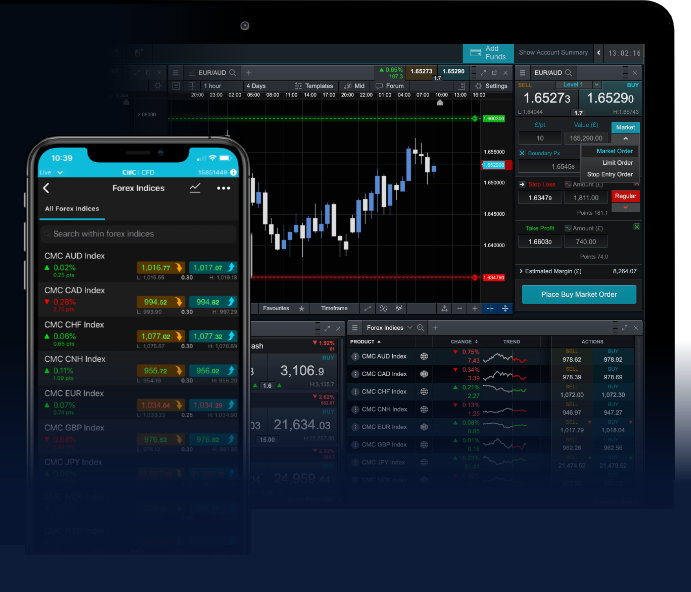
When selecting leverage for your trading, it’s essential to consider your trading style, risk tolerance, and market conditions. Traders should not only focus on maximizing leverage but instead balance their potential profits with the associated risks.
Many brokers offer various leverage options, allowing traders to choose a level that aligns with their strategies. It is crucial to test different leverage levels through a demo account before committing real funds.
Effective Use of Leverage in Forex Trading
1. Risk Management
Implementing robust risk management strategies is crucial when trading with leverage. This includes using stop-loss orders, limiting position sizes to a small percentage of your trading capital, and avoiding trading with funds you cannot afford to lose.
2. Education and Research
Traders should prioritize ongoing education and research. Understanding market dynamics, economic indicators, and technical analysis can provide insights that help make informed decisions, ultimately leading to better outcomes when leveraging positions.
3. Start Small
New traders should consider starting with lower leverage ratios while gaining experience in the market. As confidence and skill increase, they can gradually adjust the leverage levels to explore higher potentials.
Conclusion
Leverage is a powerful tool in forex trading that can significantly enhance potential profits but also comes with substantial risks. It is crucial for traders to understand the implications of using leverage and employ effective risk management practices to navigate the challenges it may bring. A balanced approach, focused on education, discipline, and strategic decision-making, will ultimately contribute to a trader’s success in the forex market.